
Stellar Evolution
This section examines the physical processes and life cycles of stars from their formation to their eventual collapse or transition.
Cosmic Residue and Elemental Cycles
The life cycles of stars are not merely stories of birth and death, but complex chemical and physical processes that reshape the cosmos.
Stellar Evolution Through Elemental Composition
From the quiet collapse of white dwarfs to the chaotic winds of red supergiants, the life cycles of stars are written in the shifting ratios of their elements.
Stellar Evolution and Cosmic Elemental Formation
From the quiet accumulation of isotopes in cold dust to the violent collapse of white dwarfs, the life cycles of stars define the chemical composition of the universe.
Stellar Evolution and Universal Chemical Cycles
From the quiet cooling of white dwarfs to the violent collapse of magnetized cores, the life cycles of stars define the chemical and structural evolution of the universe.
Stellar Evolution and Cosmic Chemical History
From the quiet accumulation of isotopes in cold dust to the violent collapse of white dwarfs, the life cycles of stars define the chemical and physical history of the cosmos.
Stellar Evolution and Final Dispersal
From the quiet accumulation of ice in stellar nurseries to the violent collapse of white dwarfs, the life of a star is a study in transformation and eventual dispersal.
Stellar Evolution: From Dust to Dispersal
From the quiet assembly of cold dust to the violent dispersal of stellar remains, the life of a star is a study in inevitable transition.
Stellar Evolution and Final Mass Loss
From the first light of a protostar to the final, violent collapse of a remnant, stars spend their lives in a constant state of shedding mass and memory.
Stellar Evolution and Final Collapse
The life of a star is not a simple ascent to brilliance and a quiet exit, but a chaotic, messy, and often collaborative process of shedding mass and identity.
Stellar Deaths and Final Galactic Echoes
From the shedding of gaseous veils to the sudden, violent shifts of dying cores, the final acts of stars are far more chaotic than they appear.
Stellar Evolution Cycles
From the chaotic accretion of infant stars to the final, dense cooling of white dwarfs, the life cycle of a star is a study in transformation and persistent physical complexity.

Stellar Evolution Cycles
From the chaotic accretion of a stellar infant to the final, dense silence of a white dwarf, the life of a star is a sequence of transformations that reshape the galaxy.
Stellar Evolution Cycles
From the chaotic birth of T Tauri stars to the final, cooling embers of white dwarfs, the life of a star is a study in relentless, shifting equilibrium.
Stellar Evolution in Four Acts
From the chaotic accretion of infancy to the final, cooling silence of the white dwarf, stellar evolution is a long-form narrative written in light and gravity.
Stellar Evolution and the Life of Spent Stars
From the magnetic ghosts of white dwarfs to the violent collapse of massive progenitors, the life of a star is a continuous, often chaotic, transformation of matter.
Stellar Evolution Cycles
From the turbulent birth of massive cores to the exotic physics of dying stars, stellar evolution is a cycle of constant, invisible transformation.
Stellar Evolution and Final Remnants
From the magnetic memories of white dwarfs to the fleeting phases of proto-neutron stars, the life cycle of a star is a study in enduring complexity.
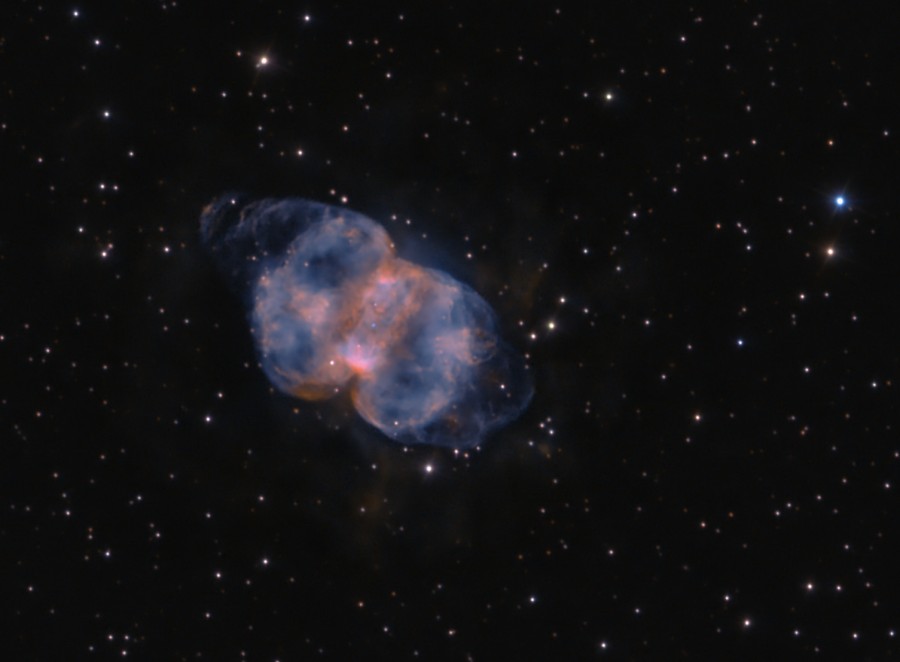
Stellar Evolution and Final Collapses
From the gentle shedding of planetary nebulae to the violent collapse of massive stars, the life cycles of stars reveal a universe in constant, shifting transition.
Stellar Evolution and Universal Origins
From the violent collapse of massive cores to the quiet cooling of white dwarfs, the life cycles of stars define the material composition of the universe.