
Astronomy
This section covers celestial phenomena, planetary science, and the latest observations from space telescopes.
Precision Tools Defining Cosmic Observation
From the mechanical precision of nineteenth-century clocks to the computational refinement of modern satellite imagery, our understanding of the universe is defined by the tools we use to observe it.
Signal Persistence in Astronomical History
From the mechanical precision of nineteenth-century chronographs to the digital noise of modern satellite constellations, the history of astronomy is a struggle to isolate the light of the distant universe from the interference of our own.
Human Vision and the Evolving Night Sky
From the mechanical precision of nineteenth-century observatories to the digital noise of modern satellite constellations, the act of looking upward remains a struggle to distinguish signal from interference.
Measured Skies and Digital Noise
From the mechanics of early timekeeping to the digital noise of modern satellite constellations, our view of the cosmos remains a struggle between clarity and interference.
Celestial Observers and Modern Space
From the mechanical precision of nineteenth-century observatories to the digital noise of modern satellite constellations, the act of observing the heavens remains a constant negotiation between clarity and distance.
Cosmic Observation Through Technological Mediation
From the telegraphic precision of the nineteenth century to the algorithmic restoration of modern satellite data, our view of the universe is a product of constant mediation.
Signal clarity in celestial observation
From the mechanical precision of nineteenth-century observatories to the digital noise of modern satellite constellations, the act of watching the sky has always been a struggle to isolate signal from interference.
Stellar Precision Amidst Modern Signal Interference
From the mechanical precision of nineteenth-century observatories to the digital noise of modern satellite constellations, the act of watching the sky remains a struggle to distinguish signal from interference.
Celestial Mechanics and Modern Observation
From the mechanical precision of nineteenth-century clocks to the digital noise of modern satellite constellations, the act of observing the heavens remains a struggle against the limits of our own perspective.
Signal Persistence in Celestial Observation
From the mechanical precision of nineteenth-century clocks to the digital noise of modern satellite constellations, the act of observing the heavens remains a struggle to distinguish signal from interference.
Cosmic Precision Across Centuries
From the mechanical precision of nineteenth-century chronographs to the digital noise of modern satellite constellations, our view of the cosmos remains a struggle between clarity and interference.
Cosmic Precision Through Technical Evolution
From the telegraphic precision of the nineteenth century to the digital filtering of modern satellite interference, our understanding of the cosmos is defined by the tools we use to refine our view.
Precision Mapping of the Cosmos
From the telegraphic precision of the nineteenth century to the algorithmic enhancement of modern satellite imagery, our view of the universe is defined by the tools we build to clarify it.
Cosmic Observation and Its Mechanical Limits
From the mechanics of early timekeeping to the chemical signatures of distant protostars, our effort to map the cosmos remains a study in the limits of observation and the ingenuity of interpretation.
Cosmic Light Captured Through Scientific Precision
From the mechanical precision of nineteenth-century chronographs to the digital simulation of dwarf galaxies, our understanding of the universe relies on the persistent refinement of how we capture and interpret light.
Astronomy and the Pursuit of Celestial Clarity
From the telegraphic precision of the nineteenth century to the digital refinement of modern satellite imagery, the practice of astronomy remains a relentless pursuit of clarity in a vast, flickering dark.
Cosmic Bookkeeping: Mapping Distant Light
From the chemical signatures of dust disks to the transit signals of nearby exoplanets, modern astronomy is a rigorous exercise in bookkeeping the cosmos.
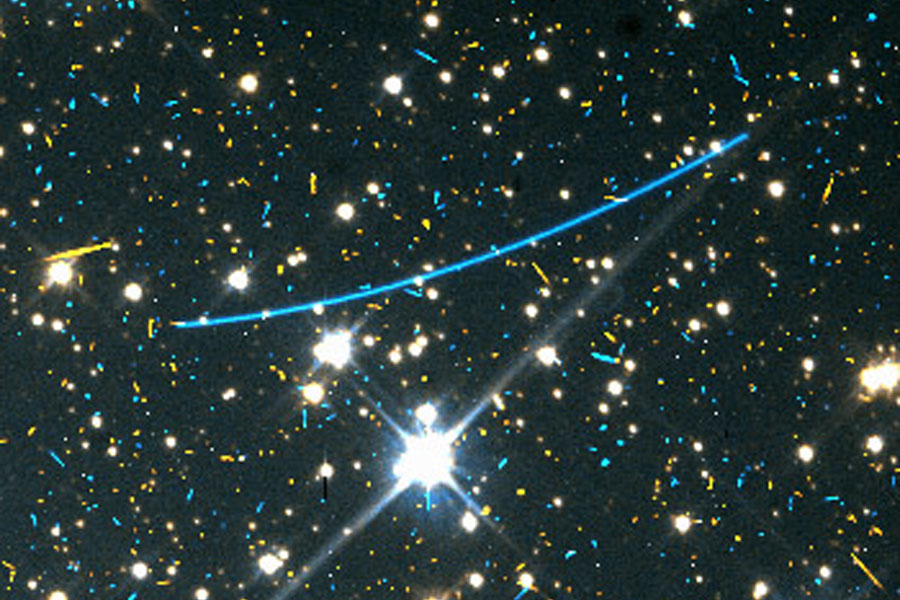
Mapping the Invisible and the Infinite
From the atomic precision of timekeeping to the chaotic birth of galaxies, modern astronomy relies on a blend of rigorous measurement and the interpretation of light from the furthest reaches of the sky.
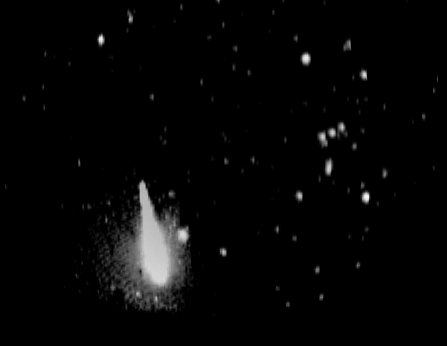
Cosmic Data Shaping Our Stellar View
From the rhythmic pulses of distant stars to the chemical signatures of newborn planetary systems, our view of the cosmos is undergoing a quiet, data-driven transformation.
Mapping the Invisible
From the debris of our own solar system to the distant mechanics of star formation, the practice of astronomy has evolved into a precise, data-driven discipline.
Precision and the Infinite
From the mechanical rhythm of nineteenth-century telegraphy to the sub-atomic sensitivity of modern stellar observation, our attempts to measure the heavens are defined by a perpetual struggle against noise.
Cosmic Precision and Chaotic Skies
From the precise mechanical pulse of the nineteenth-century observatory to the shifting dust of distant stellar disks, astronomy remains a discipline defined by the tension between what we can measure and what we can only infer.
Celestial Mechanics and Invisible Signals
From the telegraphic precision of the nineteenth century to the chemical analysis of distant disks, astronomy remains a discipline defined by the struggle to measure the invisible.
Signals from the Dark
From the mechanical precision of nineteenth-century observatories to the digital modeling of solar winds, our grasp of the cosmos remains a study in the refinement of light and time.
Cosmic Precision and Celestial Measurement
From the telegraphic precision of the nineteenth century to the chemical signatures of distant protostars, our view of the heavens remains a matter of measurement and interpretation.
Precision Optics Tracking Celestial Motion
From the telegraphic precision of 19th-century observatories to the infrared clarity of modern space telescopes, the history of astronomy is a story of refining our view of the infinite.
Cosmic Signals and Distant Worlds
From the telegraphic precision of the nineteenth-century observatory to the search for exoplanets, astronomy remains a pursuit of isolating signals from the noise of the cosmos.
Cosmic Rhythms and Celestial Measurement
From recording the precise beat of the cosmos to mapping the chemical signatures of nascent stars, astronomy remains a discipline defined by the struggle to measure the invisible.
Cosmic Precision Across Centuries
From the telegraphic precision of the nineteenth century to the digital mapping of distant solar debris, our understanding of the heavens remains a pursuit of measuring the infinitesimal.
Celestial Precision: Measuring the Invisible Universe
From the telegraphic precision of the nineteenth century to the digital modeling of the solar wind, astronomy remains a discipline defined by the struggle to measure the invisible.
Cosmic Precision and Observational Science
From the mechanical precision of nineteenth-century observatories to the infrared scrutiny of modern space telescopes, our understanding of the cosmos remains a pursuit of timing and light.
Signals from the Margin
From the telegraphic precision of the nineteenth-century observatory to the computational modeling of solar winds, our understanding of the cosmos remains a study in measurement and interpretation.
Precision Mapping of Celestial Origins
From the mechanical precision of nineteenth-century timekeeping to the infrared scrutiny of newborn stars, our understanding of the heavens remains a pursuit of the infinitesimal and the immense.
Signals from the Dark
From the telegraphic precision of the nineteenth century to the spectral analysis of modern exoplanet hunters, the history of astronomy is a pursuit of ever-finer signals in the dark.
Cosmic Precision and Stellar Timing
From the mechanical precision of nineteenth-century observatories to the digital refinement of modern stellar surveys, our understanding of the heavens remains a pursuit of timing and light.
Cosmic Measurement Tools
From the telegraphic precision of the nineteenth century to the sub-centimeter sensitivity of modern sensors, our understanding of the cosmos remains tethered to the tools we build to measure it.
Celestial Precision: Astronomy and Temporal Accuracy
From the telegraphic precision of nineteenth-century observatories to the chemical analysis of distant protoplanetary disks, astronomy remains a discipline defined by the relentless pursuit of temporal and material accuracy.
Signals from the Dark
From the mechanical precision of the nineteenth-century observatory to the infrared clarity of modern space telescopes, the history of astronomy is a pursuit of the invisible.
Cosmic Precision and Observational Evolution
From the telegraphic precision of nineteenth-century observatories to the infrared scrutiny of modern space telescopes, our understanding of the universe relies on a constant refinement of our tools.
Cosmic Observation Through Precision Instruments
From the precise mechanical pulse of nineteenth-century observatories to the complex mapping of the early universe, the study of the heavens remains an exercise in refining our tools of perception.
Precise Measurements of Distant Cosmic Structures
From the mechanical precision of nineteenth-century clocks to the high-redshift analysis of galaxy formation, astronomy remains a discipline defined by the struggle to capture the fleeting and the distant.
Cosmic Precision Across Time and Scale
From the telegraphic precision of nineteenth-century observatories to the high-energy physics of active galactic nuclei, the study of the heavens remains a pursuit of synchronization and scale.
Precision Mapping of Celestial Evolution
From the telegraphic precision of the nineteenth century to the high-resolution mapping of modern star-forming cores, the history of astronomy is a pursuit of ever-finer calibration.
Quantifying the Invisible in Modern Astronomy
From the mechanical precision of nineteenth-century clocks to the complex fluid dynamics of modern star formation, astronomy remains a discipline defined by the struggle to quantify the invisible.
Cosmic Mechanisms and Precision Measurement
From the mechanical precision of nineteenth-century observatories to the digital mapping of distant star clusters, our understanding of the universe remains tethered to the tools we build to measure it.
Precision Astronomy and Cosmic Mapping
From the mechanical precision of nineteenth-century observatories to the automated census of distant stars, the history of astronomy is a pursuit of ever-greater resolution.
Cosmic Precision Through Observational History
From the mechanical precision of nineteenth-century observatories to the volatile mysteries of distant moons, our understanding of the cosmos remains a pursuit of calibration and observation.