
Planetary Science
This section covers research on the composition, formation, and physical characteristics of planets and their moons within our solar system.
Planetary Transformation Across Distant Worlds
From the microscopic chemistry of distant clouds to the scarred surfaces of our own neighbors, planetary science reveals a universe defined by constant, often violent, transformation.
Planetary Systems and Their Physical Foundations
From the chemical signatures of distant exoplanetary clouds to the isotopic history of meteorites, modern planetary science is redefining our understanding of how worlds are built and sustained.
Chemical Sorting Across the Solar System
From the sulfur-rich magmas of Mercury to the stripped atmospheres of the Neptunian desert, planetary science is a study of how matter is sorted, eroded, and transformed.
Solar System Chemistry and Planetary Evolution
From the isotopic signatures of ancient meteorites to the volatile atmospheres of distant exoplanets, the history of our solar system is a record of chemical and physical transformation.
Dust, Iron, and the Geometry of Distance
From the sulfur-rich lavas of Mercury to the shifting clouds of distant sub-Neptunes, planetary science is a study of how small-scale chemical interactions dictate the evolution of entire worlds.
Planetary Physics Across Distant Worlds
From the sulfur-rich magmas of Mercury to the iron-laden winds of ultra-hot Jupiters, the physical processes shaping planetary bodies are as varied as they are elusive.
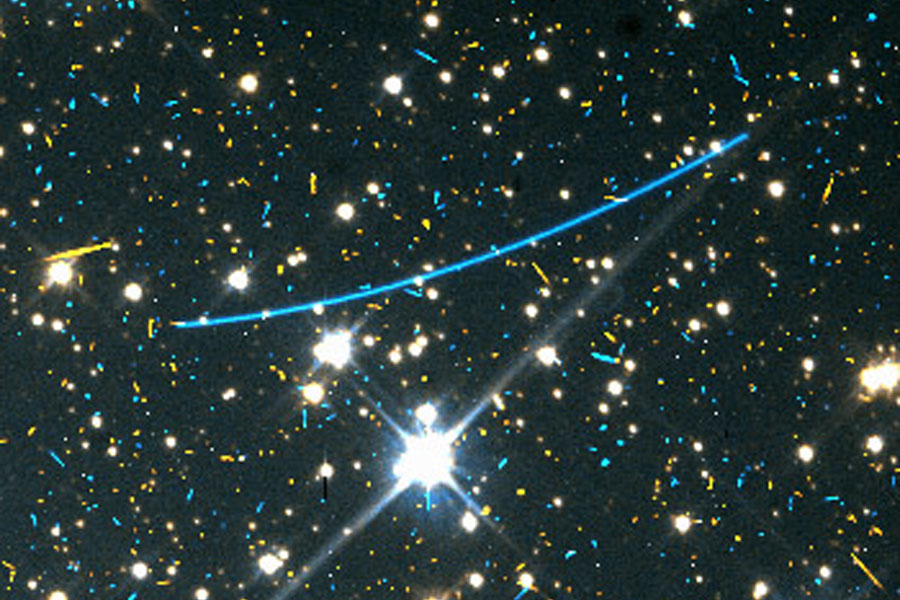
Remnants of a Crowded Workshop
From the sulfur-rich magmas of Mercury to the iron-laden winds of distant gas giants, the history of the solar system is written in chemistry, collision, and dust.
Solar System Evidence of Violent Transformation
From the submicron scars on lunar dust to the isotopic ghosts of the Martian atmosphere, the solar system is a record of constant, violent transformation.
Solar System History Written in Cosmic Dust
From the microscopic scars on lunar grains to the chemical signatures of distant gas giants, the history of our solar system is etched into the very dust that defines it.
Planetary Records Written in Cosmic Dust
From the microscopic scarring of lunar dust to the radio signatures of distant dwarfs, our understanding of planetary evolution relies on reading the subtle, often violent, records left in matter.
Cosmic Records of Planetary Evolution
From the microscopic scars on lunar soil to the shifting atmospheres of gas giants, our understanding of the solar system relies on reading the subtle, persistent records left by planetary evolution.
Planetary Transformation Across Cosmic Time
From the fractured remnants of meteorites to the shifting atmospheres of distant gas giants, the study of planetary science reveals a universe defined by constant, often violent, transformation.
Planetary Chemistry in Deep Space
From the far side of the moon to the rings of Saturn, planetary science is shifting from broad observation to the granular study of isotopes, aerosols, and internal rain.
Solar Systems Revealed Through High-Resolution Data
From the far side of the Moon to the methane-rich mists of Titan, our understanding of the solar system is being rewritten by the quiet accumulation of high-resolution data.
Worlds in Flux
Planetary science is shifting from the study of static, museum-piece spheres to the analysis of active, volatile systems that evolve through internal rain, chemical migration, and atmospheric upheaval.
Worlds Unseen: Decoding Planetary Interiors
Planetary science is shifting from a discipline of surface observation to one of deep-seated chemical and physical deduction.
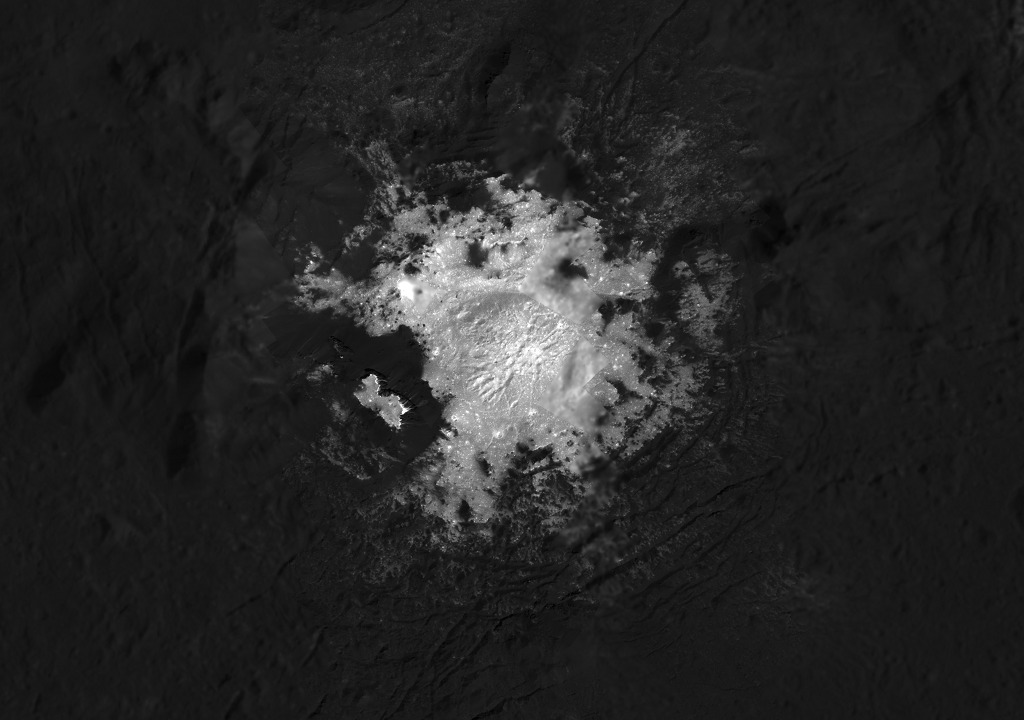
Solar Ledger of the Outer Planets
From the rain of helium in gas giants to the salt-crusted surface of dwarf planets, the solar system remains a ledger of unfinished business.
Cosmic Origins Reconstructed from Meteorite Signatures
By analyzing the isotopic signatures of meteorites and the shifting landscapes of distant moons, we are slowly reconstructing the chaotic origins of our planetary neighborhood.